
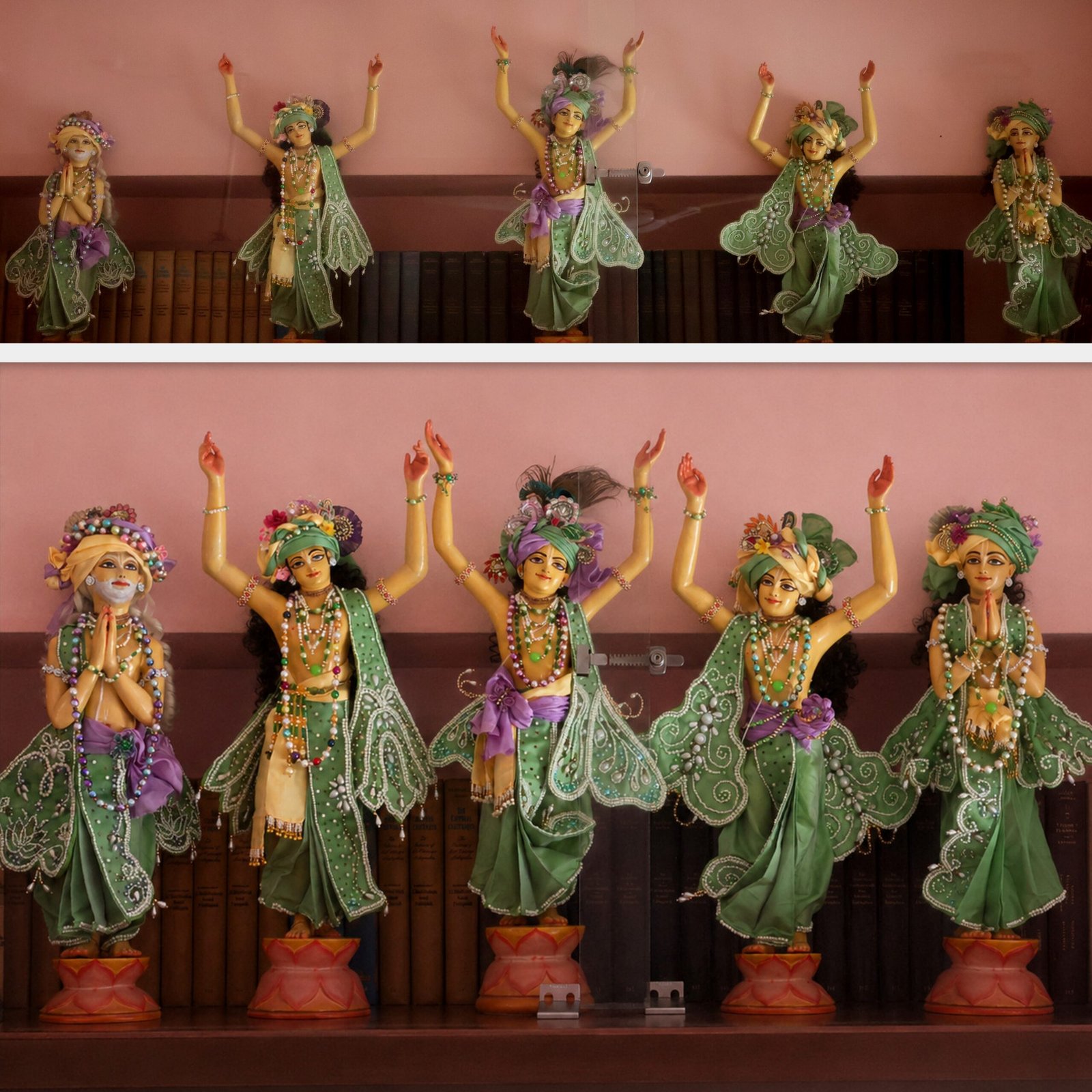
The First Śrī Śrī Pañca-tattva Deities of ISKCON Māyāpur
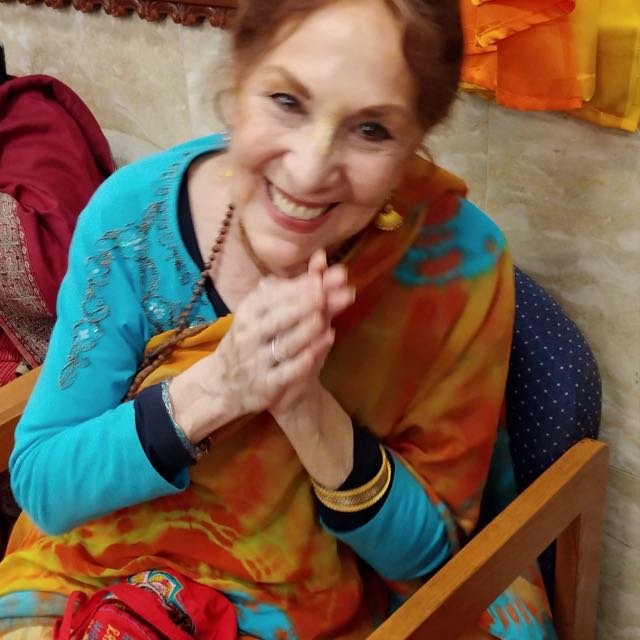
Based on a June 2026 interview with Śrīmatī Dāsī (ACBSP), who was personally engaged by Śrīla Prabhupāda to create the first Śrī Śrī Pañca-tattva Deities in ISKCON Māyāpur.
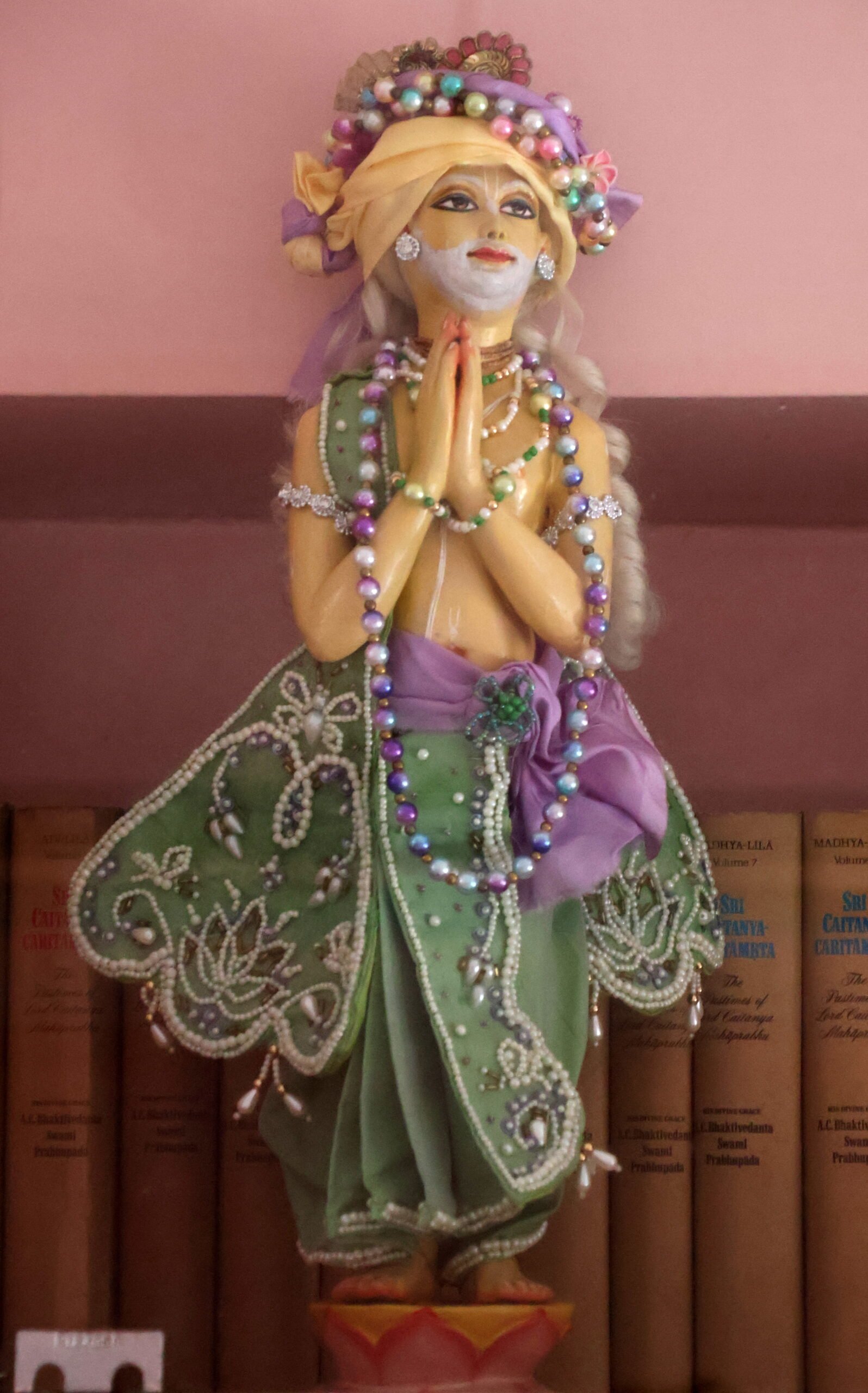
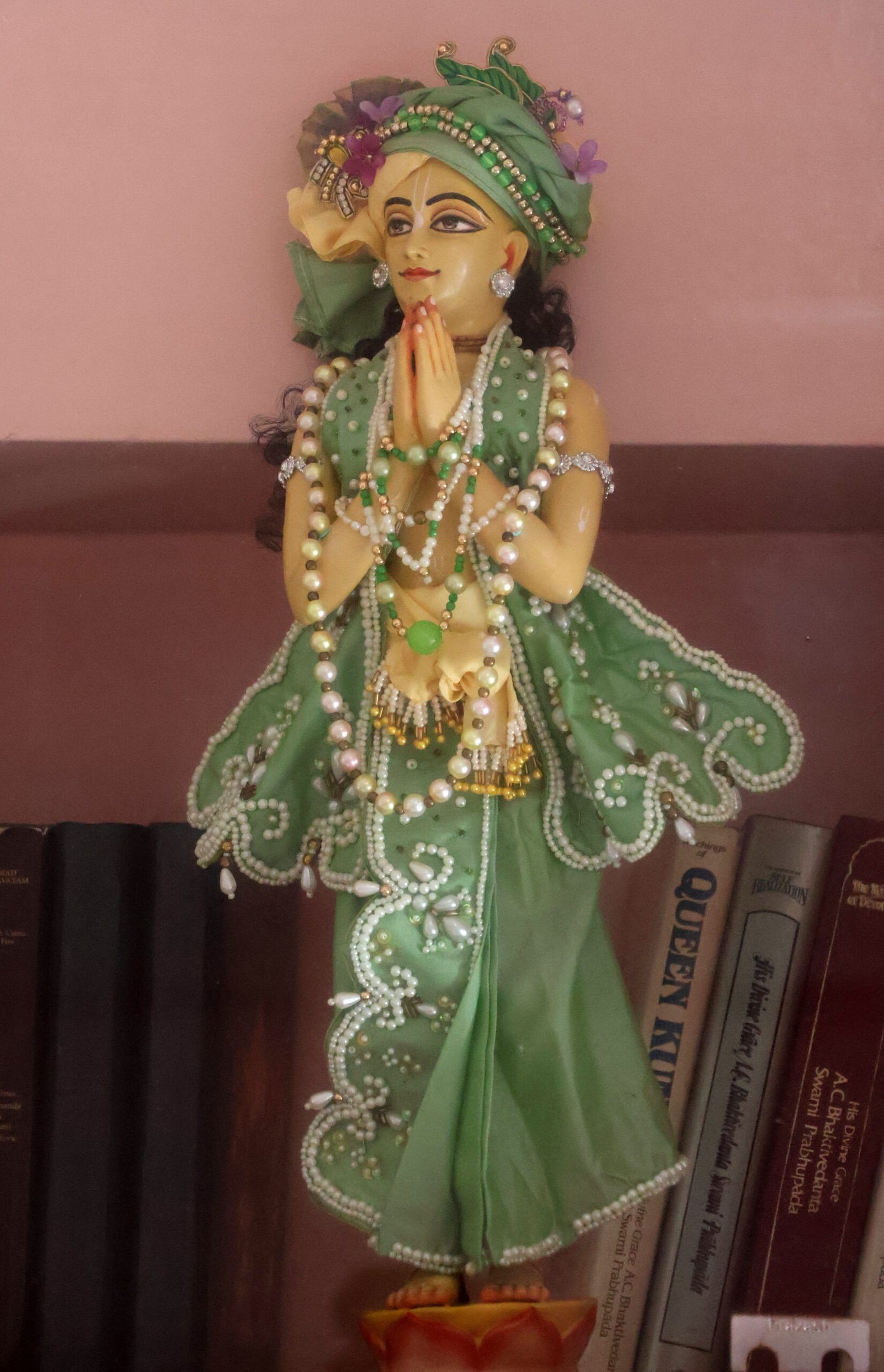
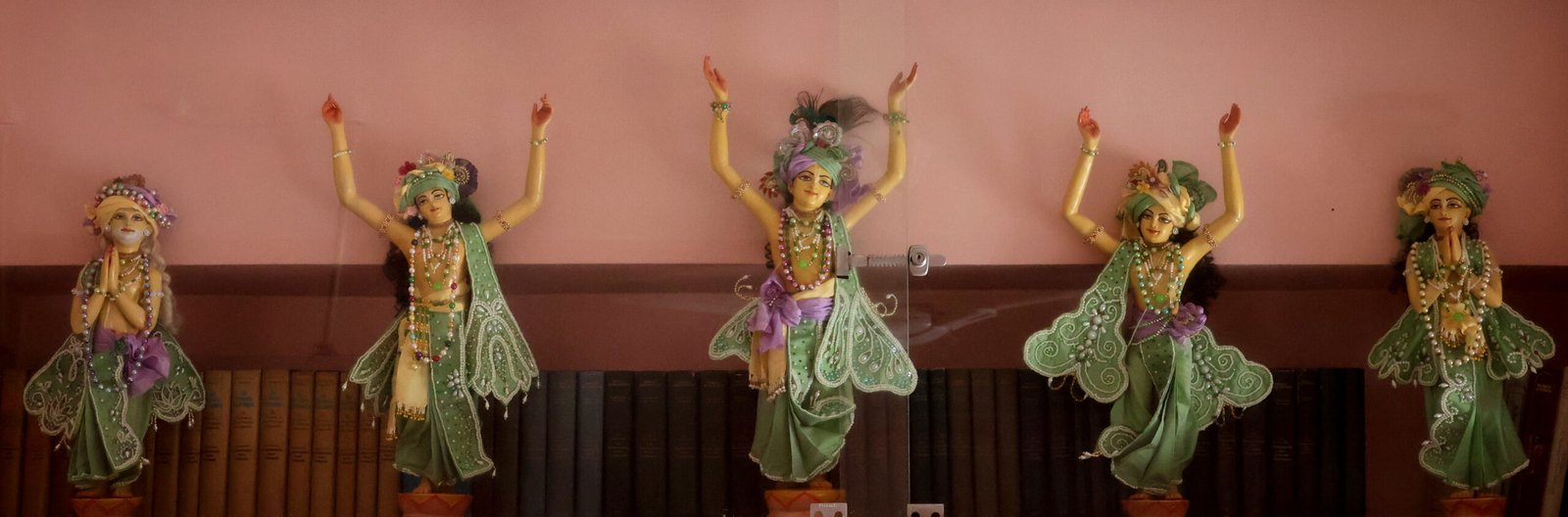
Among the many treasures connected with Śrīla Prabhupāda’s early years in Māyāpur, one of the most intimate and little-known histories is that of the first Śrī Śrī Pañca-tattva Deities created for ISKCON Māyāpur. These Deities were not commissioned from a professional artist nor installed through a grand public ceremony. Rather, they emerged from a personal service entrusted by Śrīla Prabhupāda to one of his disciples, Śrīmatī Dāsī.
More than fifty years later, her recollections provide a rare glimpse into the affection, guidance, and vision of Śrīla Prabhupāda during the formative days of Śrī Māyāpur dhāma.
A Service Personally Given by Śrīla Prabhupāda
Śrīmatī Dāsī first received this opportunity while serving Śrīla Prabhupāda in Calcutta.
“I went to Calcutta when I heard that Śrīla Prabhupāda was there. I got to clean his room when he was out walking and one morning, I left him a note asking for some service.”
On March 15, 1973, Śrīla Prabhupāda called her to his room.
“He was sitting on the floor in a gamchā while one of the brahmacārīs was giving him a mustard oil massage. Śrīla Prabhupāda tapped on the floor indicating for me to sit by him.”
Then came an instruction that would eventually lead to the creation of the first Pañca-tattva Deities in ISKCON Māyāpur.
“Śrīmatī, tomorrow you will go to the town of Kṛṣṇanagar and inquire about a teacher for sculpting mūrtis for making dioramas. Take one of the Bengali girls with you so that you can communicate. Then bring him to me in Māyāpur.”
Śrīmatī happily carried out the instruction. In Kṛṣṇanagar she located a young sculptor from a family whose members had been creating Deity forms for generations. The next day he met Śrīla Prabhupāda in Māyāpur and demonstrated his skill by sculpting a likeness of Śrīla Prabhupāda’s head.
“While Śrīla Prabhupāda was talking, the sculptor—remembered by Śrīmatī Dāsī as Milan made a head of Śrīla Prabhupāda that very much pleased him.”
Satisfied, Śrīla Prabhupāda arranged for the sculptor to come regularly and teach Śrīmatī the traditional art of murti-making.
Learning the Ancient Art of Sculpting
The lessons took place in the early days of Māyāpur under the guidance of the Kṛṣṇanagar sculptor.
“Śrīla Prabhupāda said, ‘Make and break was the way to learn.'”
The process itself was deeply traditional.
“We made our clay working tools from bamboo. The figures started with a rice grass armature that was wrapped tightly with jute.”
The sculptors used materials gathered from the local fields and the banks of Mother Gaṅgā.
“The next layer was clay only without the rice. Then a fine silt clay from the shores of the River Gaṅgā was the finishing touch.”
The final layer allowed the delicate features to emerge.
“The fine details taught by the Kṛṣṇanagar sculptor came through this final layer. Eyes, mouths, hands and fingertips were unique and beautiful.”
At the time, Śrīmatī did not realize that this training was preparing her for a much greater service.
“Can You Fashion the Pañca-tattva Deities?”
While engaged in creating dioramas for Śrīla Prabhupāda, Śrīmatī asked what he would like her to make next.
His answer would become a historic moment in ISKCON Māyāpur.
“He said, ‘Can you fashion the Pañca-tattva?'”
Without hesitation she replied:
“Yes, Śrīla Prabhupāda, I can do that.”
Śrīla Prabhupāda simply responded:
“Very good.”
The Deities were crafted during 1973 and were likely completed before Gaura Pūrṇimā of 1974.
The First Pañca-tattva Deities in ISKCON Māyāpur
When asked whether these were the first Pañca-tattva Deities in ISKCON Māyāpur, Śrīmatī answered unequivocally:
“Yes, these were definitely the first Pañca-tattva Deities in ISKCON Māyāpur.”
After completion, she offered them to Śrīla Prabhupāda personally.
“When I offered Them to Śrīla Prabhupāda, he had Them set up on the shelf behind him.”
In Śrīla Prabhupāda’s Personal Quarters
The Deities remained in Śrīla Prabhupāda’s room, where he personally cared for Them.
“He had Them on the second shelf from the bottom behind him as he offered Them flowers, incense and water.”
This simple arrangement reveals how dear these Deities were to him. Rather than being placed elsewhere, they remained in his own room, constantly in his presence.
Although there was no formal temple worship at that time, they received the personal attention and devotion of the Founder-Ācārya himself.
“They were always present with Śrīla Prabhupāda.”
During those years, countless kīrtanas took place in his room.
“He had many kīrtanas in his room with his ecstatic devotees and visiting guests.”
The first Pañca-tattva Deities thus witnessed intimate moments of Māyāpur’s early history, surrounded by Śrīla Prabhupāda, his disciples, and the growing worldwide mission of Śrī Caitanya Mahāprabhu.
“These Are Śrīmatī’s Deities”
One statement of Śrīla Prabhupāda left a deep impression on Śrīmatī.
“Śrīla Prabhupāda told Tamāla Kṛṣṇa Gosvāmī that these were Śrīmatī’s Deities.”
Looking back, she felt that Śrīla Prabhupāda may have envisioned her remaining in Māyāpur to care for them.
“I think that he expected me to be there in Māyāpur to take care of my Pañca-tattva forever.”
Later, when she met Śrīla Prabhupāda again in San Francisco, he immediately remembered her.
“He had Tamāla Kṛṣṇa Gosvāmī bring me to him. That’s when he said, ‘Śrīmatī, why are you not in Māyāpur?'”
The question revealed both his affection and the importance he attached to her service.
Lessons Beyond Sculpting
Śrīmatī’s memories also reveal the extraordinary personal training she received from Śrīla Prabhupāda.
One morning while cleaning his room in the Lotus Building, she deliberately left his footprints visible on the floor because she did not want to wash them away.
When Śrīla Prabhupāda returned, he noticed.
“He asked, ‘Śrīmatī, what is this?'”
After hearing her explanation, he personally demonstrated how to clean properly.
“He told me to bring two buckets of water and two rags.”
Then, to her amazement, he got down on the floor himself and began cleaning while teaching her the proper method.
“The first rag cleans the floor then is wrung out in the second bucket while the next rag is then used to continue wiping up the floor.”
She later reflected simply:
“Oh! The Mercy.”
Śrīla Prabhupāda taught that everything connected with the Lord’s service should be immaculate.
“Everything was to always be immaculately clean.”
A Moving Reunion After Decades
More than four decades later, Śrīmatī returned to Śrī Māyāpur dhāma in 2018.
There she found the Deities she had sculpted as a young devotee still being carefully preserved.
“I saw Pañca-tattva up high behind glass on Śrīla Prabhupāda’s bookshelf.”
What moved her most was their condition.
“They looked amazingly well taken care of.”
A devotee approached and asked whether she had made them. When Śrīmatī confirmed that she had, the devotee explained that she had been caring for them.
“I noticed that each Deity had the recognized color and character expected as it was expressed in Their outfits she had made.”
The meeting concluded with a heartfelt embrace.
“We both hugged each other in deep gratitude.”
A Lasting Legacy
Today, millions of pilgrims come to Māyāpur to receive the mercy of Śrī Śrī Pañca-tattva in the Sri Mayapur Chandrodaya Mandir. Yet within Śrīla Prabhupāda’s quarters remains a precious connection to those pioneering days—the original Pañca-tattva Deities personally requested by Śrīla Prabhupāda and lovingly crafted by Śrīmatī Dāsī.
Their story reminds us that the greatness of Māyāpur was built not only through grand temples and festivals, but also through intimate acts of service, personal instructions, and the loving exchanges between Śrīla Prabhupāda and his disciples.
From a simple note asking for service to a sacred legacy preserved for generations, the first Śrī Śrī Pañca-tattva Deities stand as a beautiful testament to Śrīla Prabhupāda’s vision, encouragement, and personal care for those eager to serve his mission.
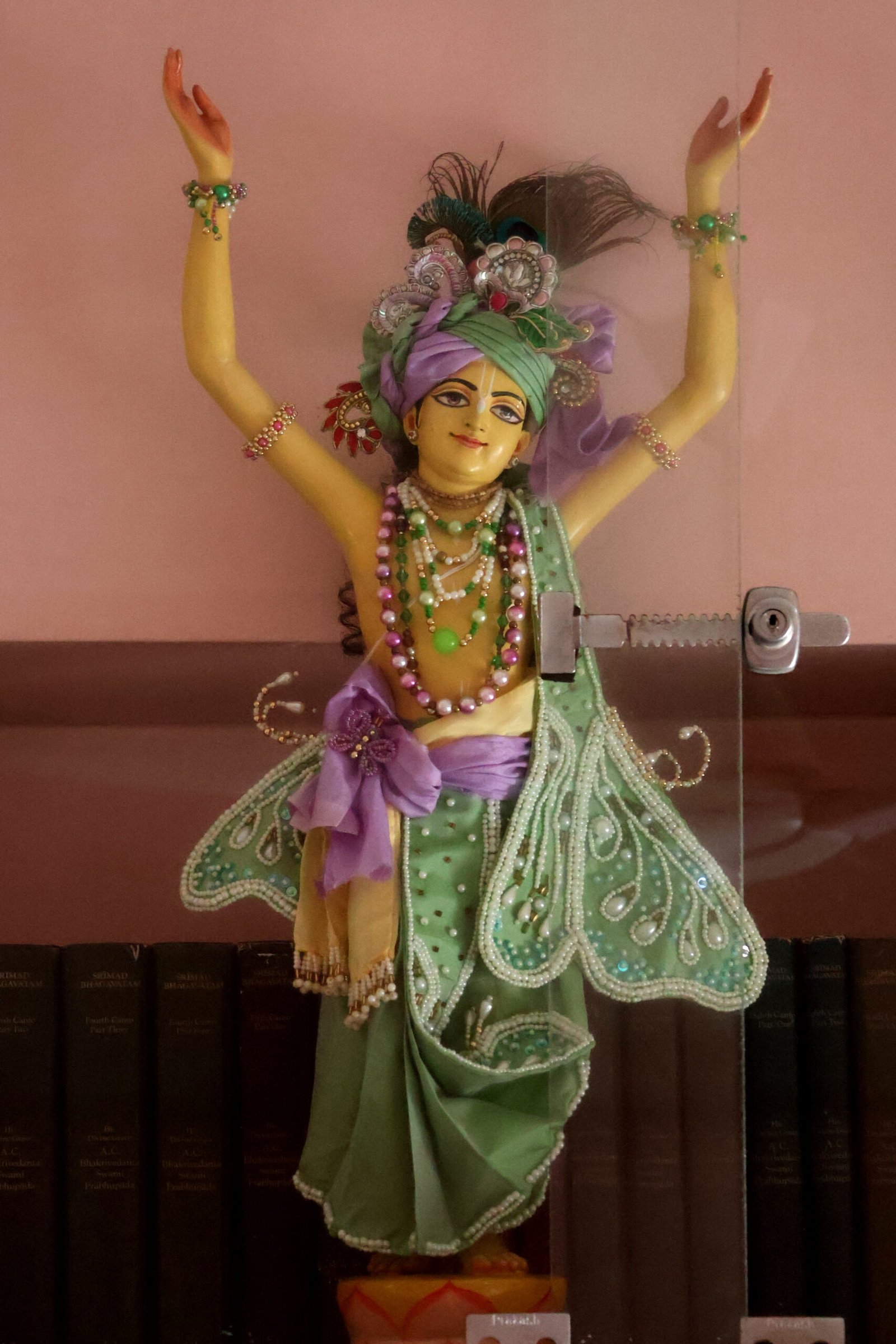
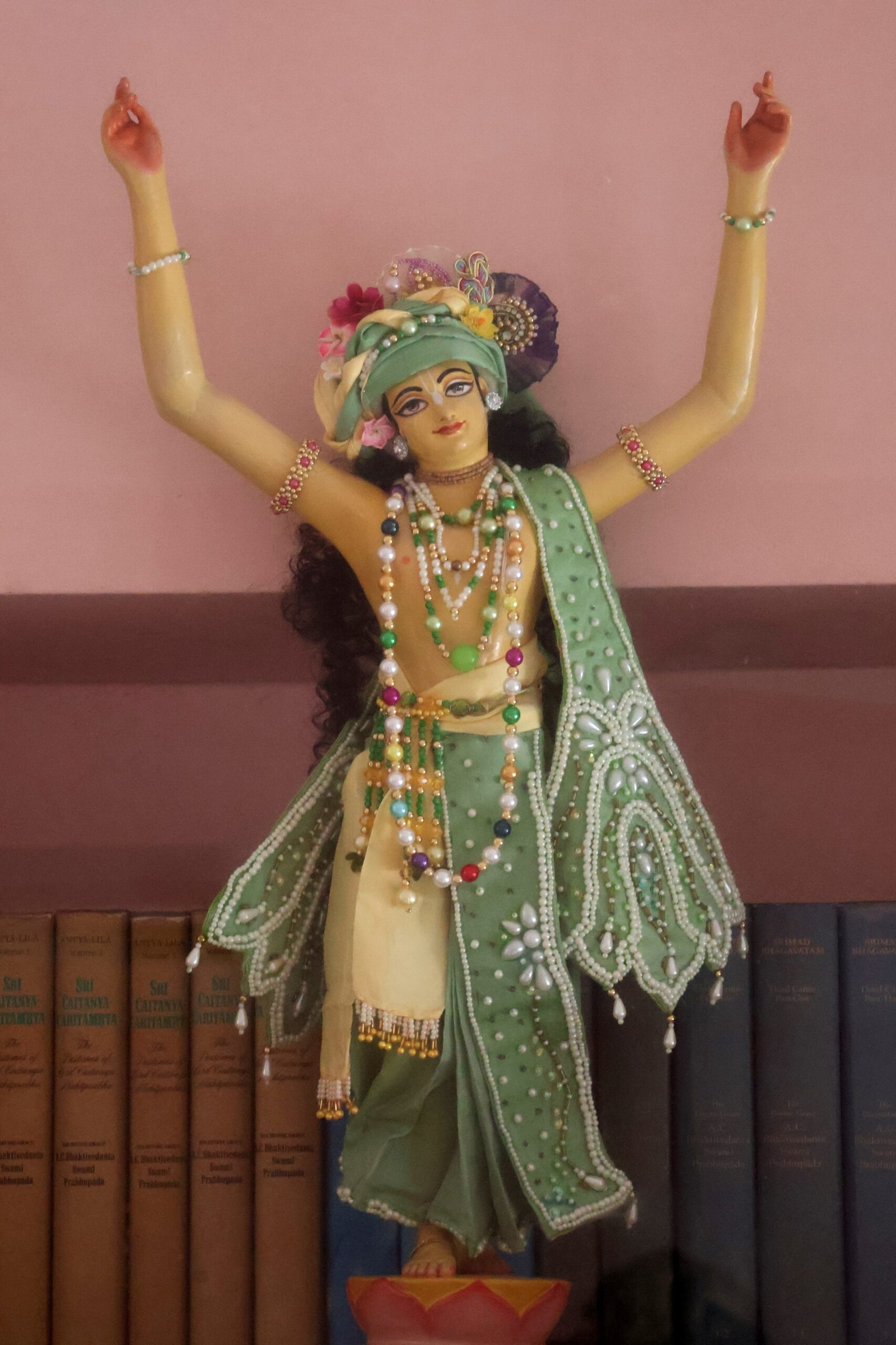
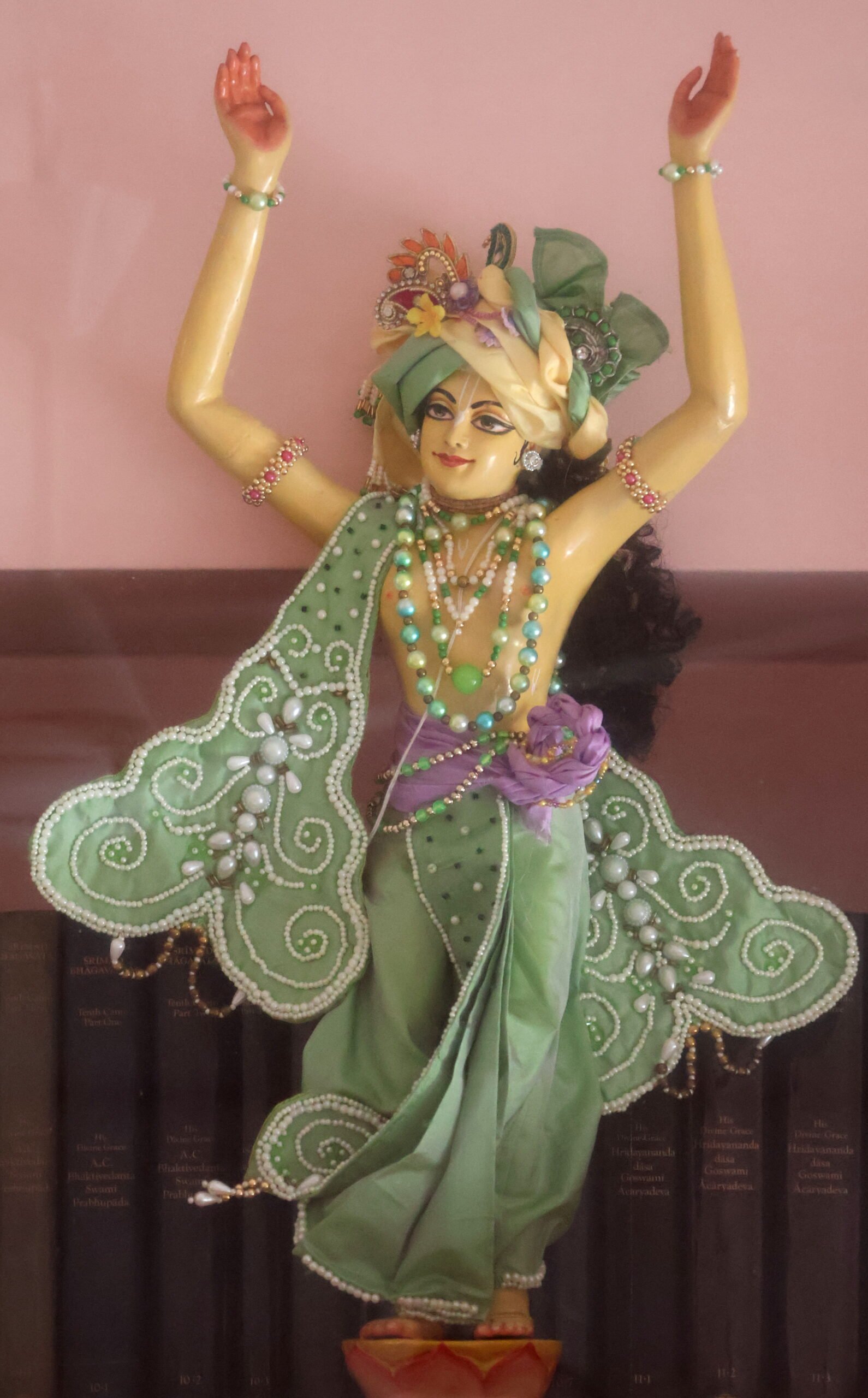
Srimati dasi ACBSP